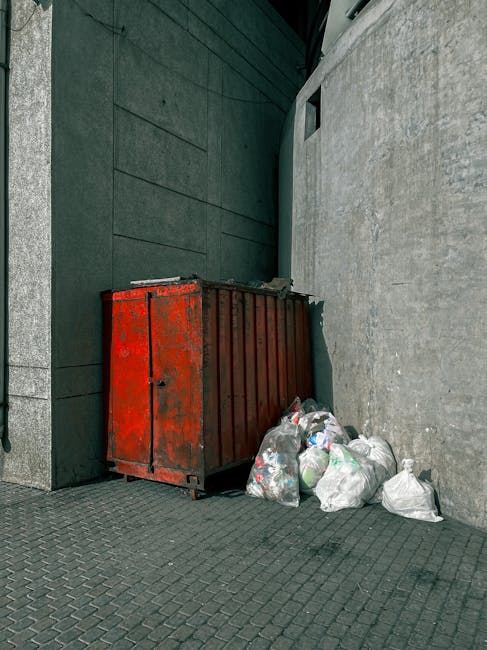
Urgent rubbish collection Wandsworth Common and SW18: fast, practical help when waste cannot wait
If you need Urgent rubbish collection Wandsworth Common and SW18, chances are you are dealing with more than just clutter. Maybe a builder has left bags on the drive, a house clearance has overrun, or you have a sofa, fridge, or pile of garden waste making life awkward. Whatever the reason, speed matters. So does getting it done properly.
This guide explains how urgent rubbish collection works in Wandsworth Common and the wider SW18 area, what service options usually make sense, how to avoid delays, and what to check before you book. It is written to help you make a calm decision quickly, not to drown you in jargon. Let's face it, when rubbish is in the way, you do not need waffle.
For readers comparing collection options, it can also help to understand the difference between a rapid one-off collection and broader waste removal services such as rubbish removal, same-day skip hire, and wait and load skip hire. Different jobs, different pace. Different access too.
Table of Contents
- Why urgent rubbish collection matters
- How urgent rubbish collection works
- Key benefits and practical advantages
- Who this is for and when it makes sense
- Step-by-step guidance
- Expert tips for better results
- Common mistakes to avoid
- Tools, resources and recommendations
- Law, compliance, standards, and best practice
- Options, methods, and comparison table
- Case study or real-world example
- Practical checklist
- Conclusion
- Frequently asked questions
Why Urgent rubbish collection Wandsworth Common and SW18 Matters
Urgent rubbish collection matters because waste problems rarely stay small for long. One overfilled front garden, one missed builder's bag, or one broken appliance in a narrow hallway can quickly become a safety issue, a neighbour issue, or just a daily irritation that you keep stepping around for three days straight.
In Wandsworth Common and SW18, properties often have limited frontage, shared access, tight parking, and busy roads. That changes how waste can be collected. A quick job is not always as simple as "turn up and take it away". Access, loading space, and timing all matter. If you are trying to keep a rental turnaround on track, finish a renovation, or clear a home before a handover, a delayed collection can throw the rest of the day off.
There is also the practical side. Bags left out too long may attract complaints or simply get in the way. Heavy items left underfoot can create trip risks. And if you are managing a property, business, or construction site, poor waste handling can make everything look untidy very fast. Not ideal. Not exactly the image you want.
Expert summary: urgent waste collection is about more than speed. The best result is fast and controlled: clear access, sensible loading, correct waste separation, and a collection method that suits the site rather than fighting it.
How Urgent rubbish collection Wandsworth Common and SW18 Works
Although every job is different, urgent rubbish collection usually follows a similar pattern. You describe the waste, the access, and the timing. Then the provider decides whether the job is best handled by a van team, a man and van setup, a wait and load option, or a same-day skip solution.
For many smaller or access-restricted jobs, man and van collection is a very practical choice. For heavier clear-outs where items can be loaded straight away, a wait and load skip hire arrangement can save time and avoid needing a skip permit. For larger or repeat waste volumes, a skip hire solution may be more efficient, especially where the job spans a few hours or a full day.
In urgent jobs, the speed comes from good preparation. The collection team will want to know:
- what type of waste you have
- roughly how much there is
- whether the waste is bagged, loose, or bulky
- how close they can park to the load
- whether anything needs special handling
That initial description is often the difference between a smooth same-day collection and an annoying delay. Truth be told, the more precise you are, the faster the whole thing tends to move.
If the waste includes unusual materials, it is worth checking the site's guidance on what can go in a skip and, where relevant, specialist pages such as fridge and appliance removal or mattress and sofa disposal. Not every item can be treated the same way, and nobody wants a last-minute refusal at the kerb.
Key Benefits and Practical Advantages
The biggest advantage of urgent rubbish collection is obvious: you get your space back quickly. But there are several other benefits that matter just as much in real life.
- Less disruption: you avoid living or working around waste for longer than necessary.
- Better presentation: useful for landlords, tradespeople, businesses, and anyone expecting visitors or inspections.
- Improved safety: fewer trip hazards, less blocked access, and less chance of damage to walls or flooring.
- More flexibility: urgent collections can fit awkward access, tight deadlines, and short time windows.
- Lower stress: honestly, just knowing the mess is being handled can make the day feel lighter.
There is also a planning benefit. A proper collection service can help you sort waste quickly rather than letting it spread into multiple rooms, bags, or corners. That matters for loft clearances, garage clearances, and house moves where waste tends to multiply in a rather sneaky way.
Where speed and access are both important, a solution such as same-day skip hire can be useful. For jobs where the waste is already at ground level and can be loaded immediately, rubbish removal may be the simplest route.
Who This Is For and When It Makes Sense
Urgent rubbish collection is not just for emergencies. It suits a wide range of everyday situations where time is tight and waste is becoming a problem.
Typical use cases
- Homeowners: after a clear-out, DIY project, move, or appliance replacement.
- Landlords and letting agents: between tenancies or after tenant leave-behind waste.
- Tradespeople: when builders' waste is piling up and the site needs to stay tidy.
- Businesses: office moves, refurbishment waste, archive clear-outs, or broken furniture.
- Garden projects: hedge cuttings, branches, soil, turf, and general green waste.
For domestic jobs, domestic skip hire may be the better fit if the project is ongoing rather than one-off. For commercial premises, commercial skip hire can help manage larger recurring volumes. And if the job is more about speed than storage, a collection-style service is often the cleaner choice.
Urgent rubbish collection makes the most sense when waste is:
- blocking access or circulation space
- too bulky for normal household disposal
- too much for a car boot run
- needed out of the way before inspections, works, or handovers
- mixed, awkward, or simply too much to tackle alone
And if you are dealing with a loft, garage, or similar packed space, it may be worth comparing it with a more structured clearance service such as garage and loft clearance or house clearance. Those are often better when the job is less about single-item removal and more about clearing a whole space in one go.
Step-by-Step Guidance
If you want the fastest possible result, a little prep goes a long way. Here is a straightforward way to handle it.
- Identify the waste type. Separate general rubbish, bulky items, green waste, building debris, and anything potentially hazardous.
- Estimate volume. A few bin bags is very different from a room full of broken furniture. If in doubt, take photos.
- Check access. Can a van stop nearby? Is there a narrow path, stairs, or a steep front step?
- Look for time constraints. Think school runs, parking restrictions, neighbour access, or site delivery times.
- Choose the right service style. Compare collection, wait and load, or a skip option based on the waste and the space.
- Confirm what is accepted. Keep an eye on restricted items, especially appliances, mattresses, or anything classed as hazardous.
- Prepare the load. Bag it, stack it safely, and place it where it can be lifted without fuss.
- Book early if the job is urgent. Same-day availability is helpful, but it is still wise to call as soon as you know the issue.
One practical tip that saves a surprising amount of time: put the waste closest to the point of collection, not halfway down the garden behind a wheelbarrow and two bikes. Obvious, maybe, but people forget it all the time.
If your waste is mainly construction or renovation debris, look at services like builders skip hire, builders waste removal, or construction waste disposal. For heavier, more site-based clear-ups, construction waste clearance can be the more useful route.
Expert Tips for Better Results
A few small decisions can make an urgent collection easier, cheaper, and far less frustrating. These are the things that tend to matter in practice.
- Send photos when you can. A few clear images beat a long explanation.
- Separate hazardous waste early. Do not mix it in with general rubbish.
- Keep items dry where possible. Wet waste can become heavier and messier than expected.
- Measure bulky items roughly. Doors, stairwells, and side returns can be the real obstacle.
- Ask about loading time. If parking is awkward, a wait and load service may be more efficient than a parked skip.
- Think about neighbours. Early-morning collections are fine if handled well, but a little courtesy goes a long way.
For fragile, confidential, or sensitive materials, there are other specialist services worth considering. Confidential shredding is sensible for paper records, while office clearance is more suitable for workplace furniture and equipment. Different waste, different expectations.
And one more thing: if you think a job is borderline too big for a collection, say so. A good provider would rather know that upfront than arrive and realise they need a second vehicle. Nobody enjoys a surprise on a busy Tuesday afternoon.
Common Mistakes to Avoid
Urgent collections are usually straightforward, but a few common mistakes cause most of the problems.
- Underestimating the amount of waste. "A few bags" somehow becomes a small mountain by the time the team arrives.
- Mixing prohibited items with general rubbish. This can delay collection or make the load non-compliant.
- Forgetting about access. If the van cannot stop close enough, the job may take longer than planned.
- Ignoring permit needs. If you are placing a skip on the road, check whether a permit is needed.
- Leaving sorting until the last minute. This is especially annoying with mixed renovation waste.
- Choosing the wrong service for the site. A skip is not always the best answer, and neither is a man and van every time.
One less obvious mistake is forgetting about disposal restrictions for specific items. A mattress, a fridge, or a painted or treated item can change how the load is handled. If in doubt, ask before the collection day. It is a tiny conversation that can save a big headache.
For road-based skip placement, it may also help to review the guidance on skip hire permits and the related skip permits information so you understand what needs to be arranged in advance.
Tools, Resources and Recommendations
You do not need specialist tools to arrange urgent rubbish collection, but a few simple resources make the process easier and faster.
- Phone camera: take pictures of the waste, access point, and any awkward steps or narrow areas.
- Rough measurements: even an estimated length, width, and height can help enormously.
- Waste notes: jot down whether items are wood, metal, soil, plasterboard, mixed rubbish, or appliances.
- Booking details: have the address, postcode, and preferred collection window ready.
- Payment readiness: urgent jobs often move faster when there is no delay over admin.
Useful supporting pages on the same site can help you plan the job properly:
- skip sizes and prices if you are weighing up collection against a skip
- pricing and quotes if you want a clearer idea before booking
- payment and security if you want reassurance about safe transactions
- recycling and sustainability if environmental handling matters to you
- insurance and safety if the job has access or site-risk considerations
For heavier earth, rubble, or spoil from landscaping or groundwork, alternative methods may fit better. In some cases grab hire services, grab lorry hire, or muck away services are more suitable than a standard rubbish collection. That depends on volume, weight, and site access.
Law, Compliance, Standards, or Best Practice
Waste collection in the UK should always be handled responsibly. You do not need to become a compliance expert, but it helps to know the basics. Waste should be carried and disposed of by an appropriate operator, and the waste stream should be handled in line with accepted industry practice. That is especially true for mixed waste, commercial waste, and anything with a risk element.
For householders, the main point is simple: do not put unsafe or restricted materials into a general load without checking. For businesses, there is usually more expectation around keeping waste separated, documented, and transferred through proper channels. Common sense helps here, but so does asking questions before collection day.
Where hazardous materials are concerned, use a specialist service rather than guessing. Hazardous waste disposal exists because not everything belongs in a mixed load. Paints, chemicals, solvents, and similar items deserve extra care. No drama, just proper handling.
Best practice also means protecting people and property during the collection itself. That includes safe lifting, sensible parking, clear walkways, and making sure the load is secured for transport. If a provider is not upfront about safety, that is a red flag. A small one, maybe, but still a red flag.
For larger worksites or clearance-heavy jobs, it is also worth looking at site clearance and demolition waste removal, because those services are usually better aligned with the demands of active or post-build environments.
Options, Methods, or Comparison Table
Choosing the right method is usually the key to getting an urgent job done without friction. Here is a practical comparison.
| Method | Best for | Strengths | Limitations |
|---|---|---|---|
| Rubbish removal | Bulky, mixed, or one-off waste that needs lifting away quickly | Fast, simple, minimal storage on site | Less suitable for larger ongoing projects |
| Wait and load | Tight streets, no permit desire, short loading window | Very convenient where parking is awkward | Requires good preparation and efficient loading |
| Skip hire | Projects with continuous waste over several hours or days | Good for repeated disposal during works | May need permit and space to place it |
| Man and van | Smaller urgent clear-outs and access-restricted properties | Flexible, practical, quick turnaround | Not ideal for very high waste volumes |
For many Wandsworth Common and SW18 properties, the decision comes down to access. If there is nowhere sensible for a skip, then a collection-based method often wins. If the waste is being produced steadily during a project, a skip may actually save time. Simple enough, but the right fit matters.
Case Study or Real-World Example
Here is a realistic example from the kind of job that comes up all the time. A homeowner in SW18 has just finished a weekend refresh before family arrive on Monday. There are old shelving units, broken down packaging, bagged general waste, a couple of awkward boxes, and a fridge that cannot simply be left in the alley. The hallway is narrow, the front space is tight, and the weather has turned damp and grey by late afternoon.
In a situation like that, a same-day collection is often more practical than trying to hire a skip and manage the space it takes up. The waste can be grouped at the front, the fridge separated, and the job cleared in one visit. If there is a loaded but short access window, a wait and load style arrangement may be ideal. If the items are mostly domestic and the volume is modest, a domestic skip hire comparison can still be worthwhile, but the collection option often feels less disruptive.
The real value in that example is not just speed. It is relief. You hear the front door shut, the van drives off, and the space suddenly feels usable again. A small thing, maybe. But a genuinely nice one.
Practical Checklist
Use this checklist before booking an urgent rubbish collection in Wandsworth Common or SW18.
- Confirm what type of waste needs removing
- Estimate the amount as accurately as you can
- Take photos of the load and access route
- Check for stairs, narrow gates, or limited parking
- Separate anything hazardous or specialist
- Put bulky items near the collection point
- Decide whether a collection, skip, or wait and load service is best
- Check permit needs if a skip might go on a public road
- Choose a collection window that fits your day
- Keep payment and contact details ready
If you are dealing with a more specific clearance job, you may also want to review garage and loft clearance, office clearance, or house clearance before you book. Those can sometimes be better value when the waste is part of a bigger clear-out rather than a one-off pile.
Get a free quote today and see how much you can save.
If you want a straightforward next step, use the service pages to compare the right approach for your waste, then book the option that matches your timing, access, and load type. You do not need to overthink it. A clear description and a sensible collection plan usually get the job done.
Conclusion
Urgent rubbish collection in Wandsworth Common and SW18 is really about one thing: getting your space back without unnecessary delay. The best results come from choosing the right method, being honest about the waste, and planning for access before the team arrives. That is true whether you are clearing a garden, finishing a refurb, dealing with bulky furniture, or just trying to stop waste from taking over the day.
If you remember only one thing, make it this: speed matters, but fit matters more. A fast collection that suits the property will always beat a rushed solution that creates more hassle. And once the waste is gone, the relief is immediate. Quiet, clean, finished. Very satisfying, actually.
Helpful next step: compare your waste type against the service options, review the collection or skip details that fit your access, and book as soon as you know the job needs attention. That little bit of preparation can save you a lot of back-and-forth later.
Frequently Asked Questions
How fast can urgent rubbish collection happen in Wandsworth Common and SW18?
It depends on demand, access, and the type of waste, but urgent collections are often arranged for the same day or the next available slot when the load and location are suitable. Taking photos usually helps speed things up.
Is rubbish collection better than skip hire for a small urgent job?
For smaller one-off clear-outs, collection is often easier because you do not need to manage a skip on site. If the waste is ongoing over several days, skip hire may be the better fit.
What if I have a fridge, mattress, or sofa to remove?
These items can often be handled, but they may need specific treatment. Check the relevant service pages such as fridge and appliance removal and mattress and sofa disposal before booking.
Do I need a permit for urgent rubbish collection?
Usually not for a van-based collection, but if you are placing a skip on public land or the road, permit rules may apply. It is best to check the permit guidance in advance.
What types of waste are usually accepted?
General household rubbish, bulky items, garden waste, and many building materials are commonly accepted, subject to the provider's rules. Hazardous materials need special handling, so always ask first.
Can I use urgent collection for builders' waste?
Yes, many people do. For ongoing renovation debris, services like builders waste removal or builders skip hire are often more suitable, depending on how much waste you have.
What should I do before the collection team arrives?
Group the waste together, make access clear, separate prohibited items, and have photos ready if they are needed. A tidy loading area saves time and helps the job run smoothly.
Is man and van good for tight access properties?
Yes, it often is. For narrow streets, tight driveways, and homes where a skip would be awkward, man and van collection can be a very practical choice.
What happens if my waste includes hazardous items?
Do not mix hazardous items into a general load. Use a specialist route such as hazardous waste disposal so the waste can be handled safely and correctly.
How do I choose between a skip and a collection service?
Think about access, speed, volume, and whether the waste is being produced gradually or all at once. If you need quick removal and limited on-site clutter, collection is often better. If you need somewhere to keep throwing waste during a project, a skip may be the smarter choice.
Can urgent rubbish collection help with house or loft clear-outs?
Yes. For fuller clear-outs, especially where many items are involved, you might also compare garage and loft clearance or house clearance to see whether a more structured service fits better.
How can I get a price without delaying the job?
The quickest route is usually to send a short description and a few photos, then compare it with the guidance on pricing and quotes. That gives you a clearer picture without a lot of back-and-forth.
What is the best option if I only need waste gone for a few hours?
A wait and load service is often ideal when you only need a short collection window and do not want a skip sitting outside all day. It suits busy streets and tight schedules very well.