Skip Hire in Wandsworth for household, trade and site waste
Skip hire in Wandsworth is a practical way to manage mixed waste from home clear-outs, refurbishments and building work when you need a straightforward container on site. Our service is aimed at customers who want a simple arrangement for loading waste at their own pace, with size choices that suit different jobs and access needs. From lighter domestic clearances to heavier construction waste, the right skip can keep disposal organised and reduce repeated trips to a tip.
We support a range of waste types through our skip hire service, including options that are better suited to residential streets, commercial premises and active worksites. If you are unsure which skip is appropriate, it helps to think about the material, how much of it there is and where the container will sit. Choosing the correct size matters because it affects both convenience and the final load plan, especially when items vary in bulk.
Before you request a quotation, it is worth noting a few basics that shape a sensible recommendation: the type of waste, any access restrictions, whether the skip can go on private land, and whether permits may be needed for kerbside placement. You can use these details to ask for a quote in a way that is clear and comparable. Plan the container around the job, not the other way round. For a quick start, just send the core information and ask for the most suitable option.
Domestic and commercial skip options
For household work, our domestic skip hire and garage and loft clearance pages cover common clearances such as old furniture, boxes, broken fittings and general non-hazardous clutter. Domestic jobs often benefit from a smaller or mid-sized container, particularly where a driveway or front garden has limited space. The aim is to keep the process orderly so you can load as you sort, rather than building a pile that has to be moved twice.
Commercial customers may prefer a broader approach, especially if the work involves stockroom tidy-ups, shop refits or ongoing waste from premises that generate waste over several days. Our commercial skip hire page is relevant where regular removal needs to be managed around staff movement, deliveries and opening hours. In these settings, a container can help keep materials separated and reduce disruption while the project remains active.
Typical decisions often come down to three practical questions:
- How much waste you expect to create.
- Whether the site has easy loading access.
- Whether the waste is mainly light domestic material or denser trade waste.
Building and demolition waste handling
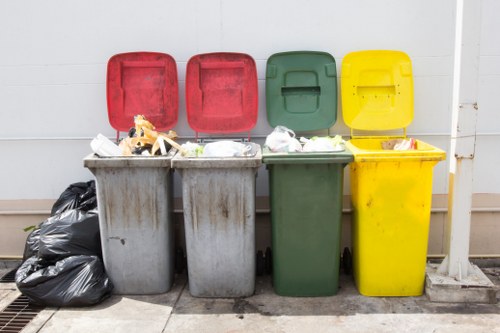
Building work creates a different kind of loading challenge because rubble, plaster, timber and packaging often arrive together. Our builders skip hire and builders waste removal pages are the most relevant starting points for renovation and fit-out jobs where heavy material needs to be removed in stages. A practical container choice helps keep the working area safer and gives trades a clear place to deposit waste as it builds up.
For heavier or more fragmented material, construction waste disposal and construction waste clearance offer a stronger fit when the load includes mixed inert waste and leftover project debris. Demolition work can produce items with awkward shapes and sharp edges, so demolition waste removal is useful where the waste stream is less tidy and requires a plan for steady clearance rather than one-off collection.
Where a project needs a fast turnover of waste, it is sensible to think about how often the skip will be filled and how the crew will approach loading. Keeping heavier items low and spreading weight sensibly makes the container easier to use and can help avoid wasted capacity. For enquiries, include the nature of the works, the likely material mix and the access arrangements so the quotation reflects the job accurately.
Alternative collection methods for tighter access

Not every site has the space for a skip, and not every job needs one. Where access is limited, our grab hire services and grab lorry hire can be a better match because waste is collected directly rather than stored in a container on site. That can be useful for projects with awkward driveways, front garden obstructions or hardstanding that cannot take a stationary skip safely.
Another useful option is wait and load skip hire, which is suited to situations where a container cannot remain on the public highway or where waste must be loaded in a narrow window. This arrangement works best when the material is ready to go, because the vehicle waits while loading is completed. It is a more focused method than traditional skip placement and can suit compact urban properties, short jobs and time-sensitive clearances.
For ground-level bulk waste, muck away services can also be relevant where soil, hardcore or excavation spoil needs moving off site efficiently. If you are comparing methods, ask yourself whether the waste is better stored gradually or removed as it is generated. That simple distinction often determines which service is the better fit, and it keeps the quotation process more precise.
Skip sizes, permits and placement
Choosing the right container is easier when you understand the practical differences between sizes and the rules around placement. Our skip sizes and prices page gives a useful overview for customers who want to compare options before booking. Smaller skips can suit lighter clear-outs and restricted plots, while larger containers are better when the waste is bulky or the work will last for longer. A sound choice is one that matches the material as well as the available space.
If the skip needs to sit on a public road rather than private land, the permit question matters. The relevant guidance on skip permits and skip hire permits helps explain that placement on the highway may require permission from the local authority. This is one of the main points to check early, because it affects timing and the way the hire is arranged. It also influences whether a standard skip or an access-led alternative is more practical.
When you request a quotation, give enough detail for the placement to be assessed properly: where the skip would sit, whether the site is residential or commercial, and whether vehicles or neighbours could be affected by the placement. That information makes it easier to suggest a suitable arrangement and avoid avoidable delays. A clear start saves time later.
Waste types and sorting decisions

Different waste streams need different handling, and not every item should be treated in the same way. Our what can go in a skip page is a helpful guide when you are sorting mixed household or trade material and want to avoid unsuitable items. Common loads can include timber, metal, garden debris, packaging and general non-hazardous waste, but certain materials require separate arrangements or prior approval.
Specialist disposal pages such as hazardous waste disposal, fridge and appliance removal and mattress and sofa disposal exist because these items are not always treated like ordinary mixed rubbish. Furniture and appliances can be bulky, while regulated or problematic materials need the right route from the outset. Separating them early makes the overall job simpler and helps keep the main skip for suitable waste only.
Good sorting is not just about convenience. It also helps keep loading efficient and makes it clearer what kind of service is needed. If you already know there are restricted items in the load, mention them in your enquiry rather than assuming they can be mixed in. That allows the quotation to reflect the actual work instead of a simplified version of it.
House, office and clearance work
Some customers need a skip for a one-off clearance, while others are dealing with a property that needs to be emptied more comprehensively. Our house clearance and office clearance pages are relevant when waste is part of a larger tidy-up involving furniture, fixtures, archived items or redundant fittings. In these cases, the question is not only how much needs removing, but how best to manage the workflow around it.
Site clearance is the natural next step where land, yards or development plots need a more open and systematic approach. This can suit projects where waste is spread across an area rather than gathered in one place, or where the priority is to leave a site ready for the next phase of work. For customers weighing up whether a skip or a clearance service is the better route, the key issue is whether the items will be loaded by you or cleared as part of the service arrangement.
If you are preparing for a quote, it helps to separate reusable items, general waste and anything that may need special handling. That one simple sort makes the rest of the process easier. It also allows the service to be matched more closely to the job, which is especially useful where the load contains both domestic contents and heavier debris.
About Wandsworth
Wandsworth is a district in south-west London on the south bank of the River Thames, with its name used both for the wider borough and for the historic local centre around Wandsworth Town. The area sits near the river crossings and transport corridors that link central London with districts further south, and it has long been shaped by movement, industry and redevelopment. Wandsworth Common is one of its most recognisable open spaces, offering large grassed areas, tree cover and paths that give the district a greener character than many densely built parts of inner London. The common is also part of a broader network of public spaces that includes riverside walks, local parks and smaller neighbourhood greens.
The district’s built environment mixes older streets and surviving historic fabric with later commercial and residential development. Around the town centre, Victorian and Edwardian terraces sit alongside more recent housing and mixed-use buildings, while the riverside has seen substantial change over time as former industrial land and warehouses have been adapted or replaced. Battersea lies to the north-east, Putney to the west and Clapham and Balham to the east and south-east, placing Wandsworth within a busy part of the capital that has strong links to rail, bus and road travel. The River Wandle, from which the wider district takes part of its name, is another important geographical feature, and the local history of milling and manufacture along the watercourse remains part of the area’s identity. Cultural life in and around the centre includes local pubs, small shops, community venues and everyday high-street activity that reflects its role as a lived-in London district rather than a purely administrative centre.
Pricing, access and booking details
Quotation requests work best when the basic variables are clear. Our pricing and quotes page is the place to start if you want to understand the information that shapes a quote, such as waste type, container size, access and placement. Pricing is normally influenced by the nature of the material, the volume involved and any special arrangements needed for delivery or collection, so a short but accurate description is usually more helpful than a long message with missing facts.
For customers who prefer to arrange things online, book online is a straightforward option once the job details are known. It can be useful to have the address or site location to hand, plus any restrictions affecting vehicle access, loading space or timing. If a permit, alternative collection method or specialist disposal route may be needed, it is better to raise that at the outset so the right service can be matched to your project.
Two final points are worth keeping in mind: first, let the supplier know whether the material is mostly light, mixed or heavy; second, mention if the work is a one-off clearance or part of a longer project. Those details make it easier to give a quote that reflects the actual scope. If you are ready, request your quotation now and describe the job in plain terms.
Recycling and responsible disposal
Many skip hire jobs involve more than simply moving waste away. Our waste recycling services and recycling and sustainability pages show the importance of separating recoverable material where possible and directing waste through the right disposal route. In practical terms, that means thinking ahead about timber, metal, rubble, soil and mixed general waste so that the load is handled in a way that suits its composition.
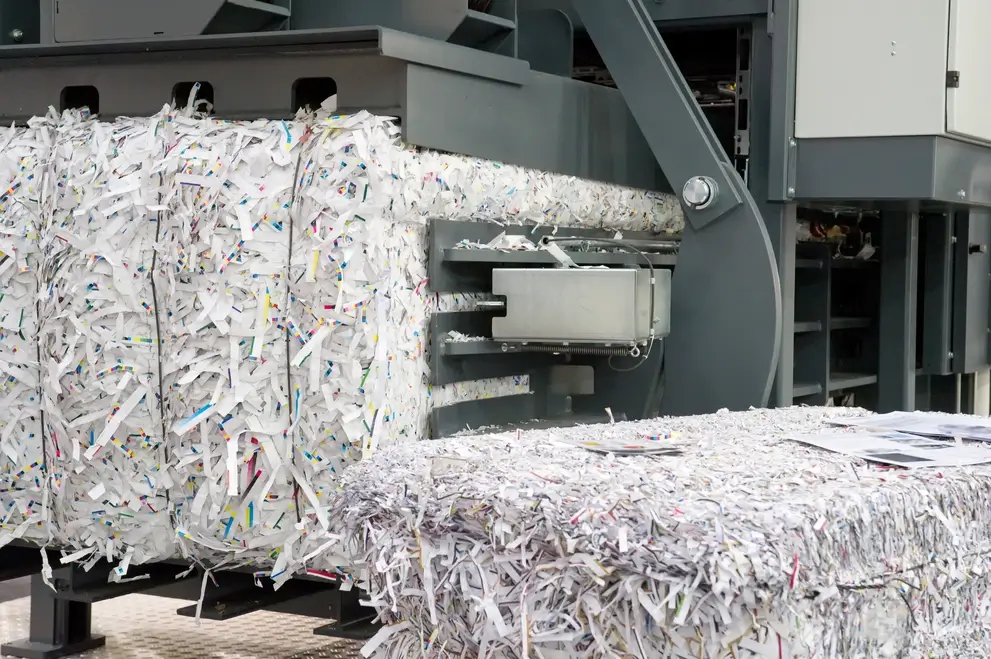
Some jobs are better served by a more selective approach from the beginning. For example, if a clearance involves confidential paperwork, confidential shredding may be relevant before the remaining waste is placed in a skip or removed by another method. Likewise, domestic items that are too awkward for a standard mixed load can sometimes be better handled through a dedicated disposal route, particularly when they are bulky or difficult to compress.
Responsible disposal starts with a sensible plan. Do not wait until the last minute to decide where awkward items will go. Identify the items that need special attention, then use the main hire arrangement for the rest. That approach keeps the job efficient and makes the quotation more representative of the actual waste stream.
Getting the right service for the job
When you compare the available options, the main decision is usually between traditional skip hire, a clearance service and a vehicle-based collection method. Rubbish removal can suit smaller or quicker clearances where there is no need to keep a container on site, while man and van is useful where items are already gathered and the job is better handled as a direct load and go. The right choice depends on what you need removed and how the property can be accessed.
For customers with enclosed sites or a wish to keep waste out of view, enclosed and lockable skip hire may be a sensible option. It can be especially relevant where materials should be kept contained for practical reasons. If the project involves landscaping or outdoor maintenance, the same general planning still applies, but the waste stream may lean more towards branches, soil and green material than mixed building debris.
However you approach the job, the simplest way to secure a useful quotation is to describe the waste honestly and briefly, then let the chosen service fit the task. If you already know the kind of waste, likely volume and access conditions, you are in a strong position to ask for a quote with confidence. Request your quotation when you are ready and we can help match the service to the work.